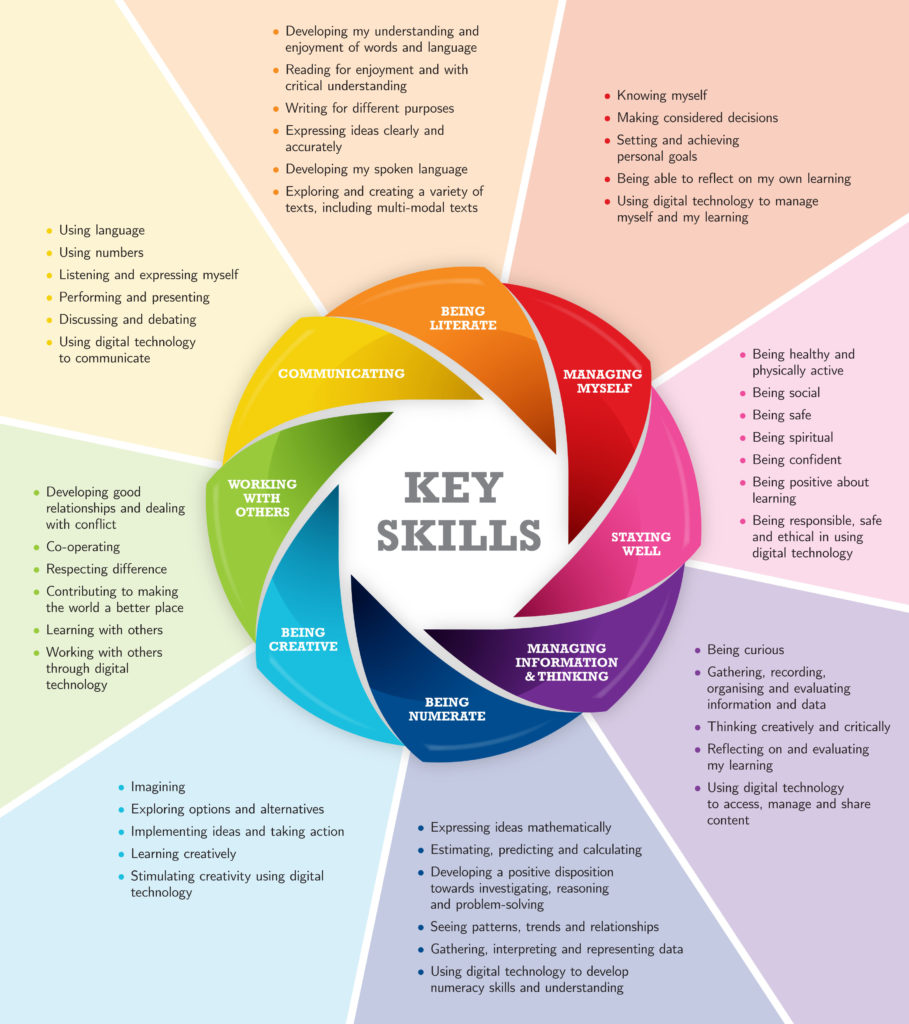
The new Junior Cycle places the student and the center of the learning process. It allows for new ways of learning and a broader range of sills to be properly assessed. This section aims to inform parents of Ennis Community College students about the key changes currently underway.
The Framework for Junior Cycle, provides the basis for post-primary schools to plan quality, inclusive and relevant education programmes with improved learning experiences for all students, including those with special educational needs.
The Framework contains 24 statements of learning, underpinned by the eight principles, provide the basis for schools to plan for, design and evaluate their junior cycle programmes. That process of planning focuses on the combination of curriculum components (subjects, PLU’s, and short courses) and other learning experiences. Schools will ensure that all statements of learning, alongside the key skills feature in the programmes of all junior cycle students.
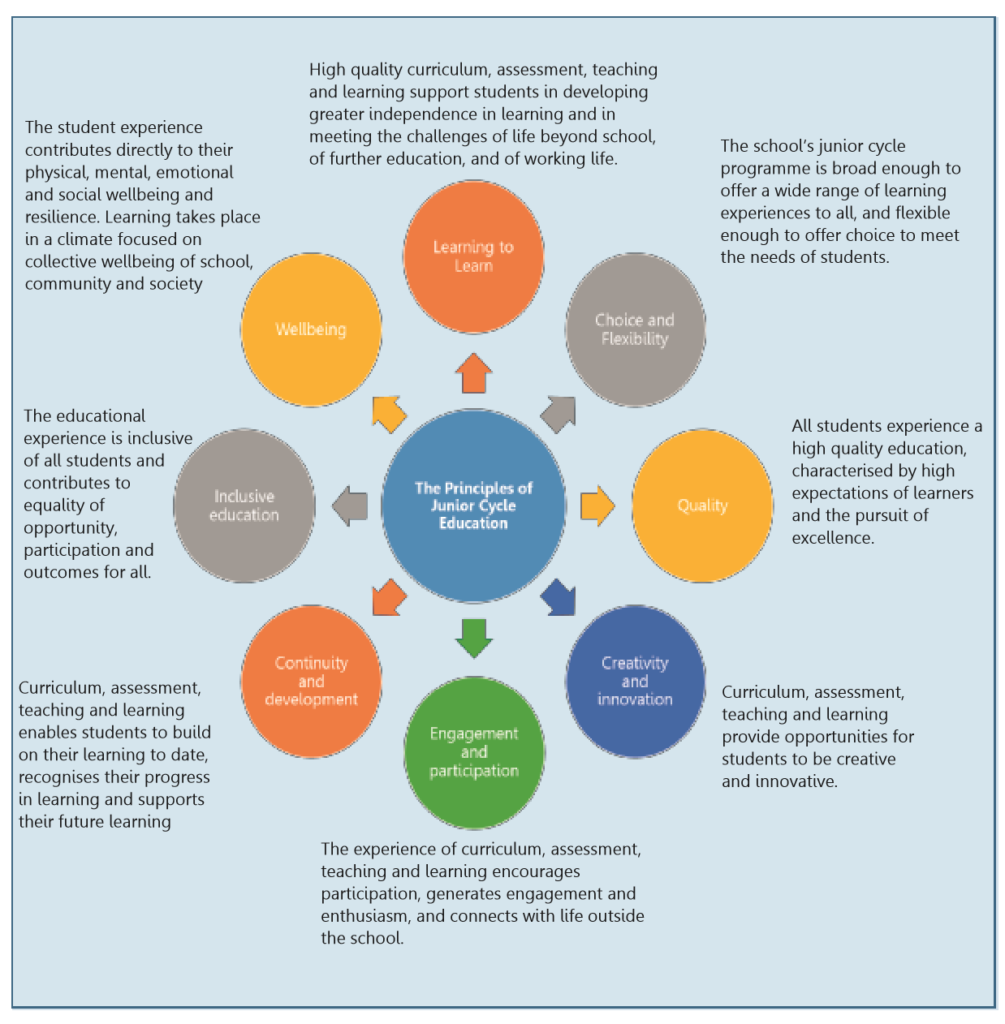
Eight principles underpin the Framework for Junior Cycle. These principles will inform the planning for as well as the development and the implementation of junior cycle programmes in all schools.
High quality curriculum, assessment, teaching and learning support students in developing greater independence in learning and in meeting the challenges of life beyond school, of further education, and of working life.
The school’s junior cycle programme is broad enough to offer a wide range of learning experiences to all, and flexible enough to offer choice to meet the needs of students.
All students experience a high quality education, characterised by high expectations of learners and the pursuit of excellence.
Curriculum, assessment, teaching and learning provide opportunities for students to be creative and innovative.
The experience of curriculum, assessment, teaching and learning encourages participation, generates engagement and enthusiasm, and connects with life outside the school.
Curriculum, assessment, teaching and learning enables students to build on their learning to date, recognises their progress in learning and supports their future learning.
The educational experience is inclusive of all students and contributes to equality of opportunity, participation and outcomes for all.
The student experience contributes directly to their physical, mental, emotional and social wellbeing and resilience. Learning takes place in a climate focused on collective wellbeing of school, community and society.
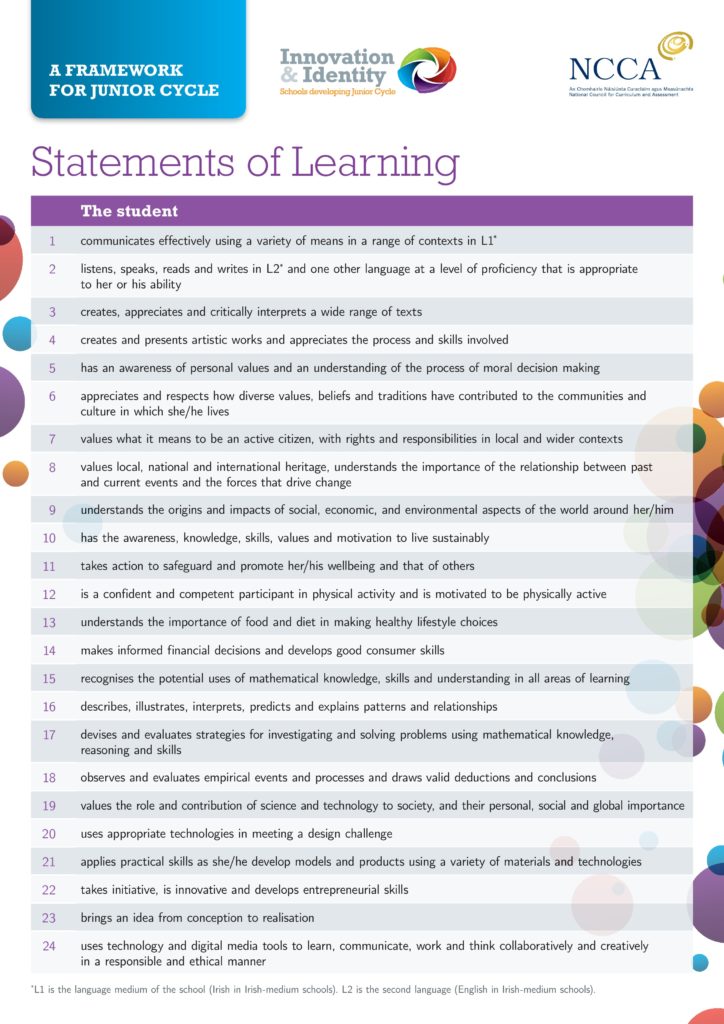
The Student: